
4-Day Hong Kong Itinerary on a Budget: What to Book and What to Skip
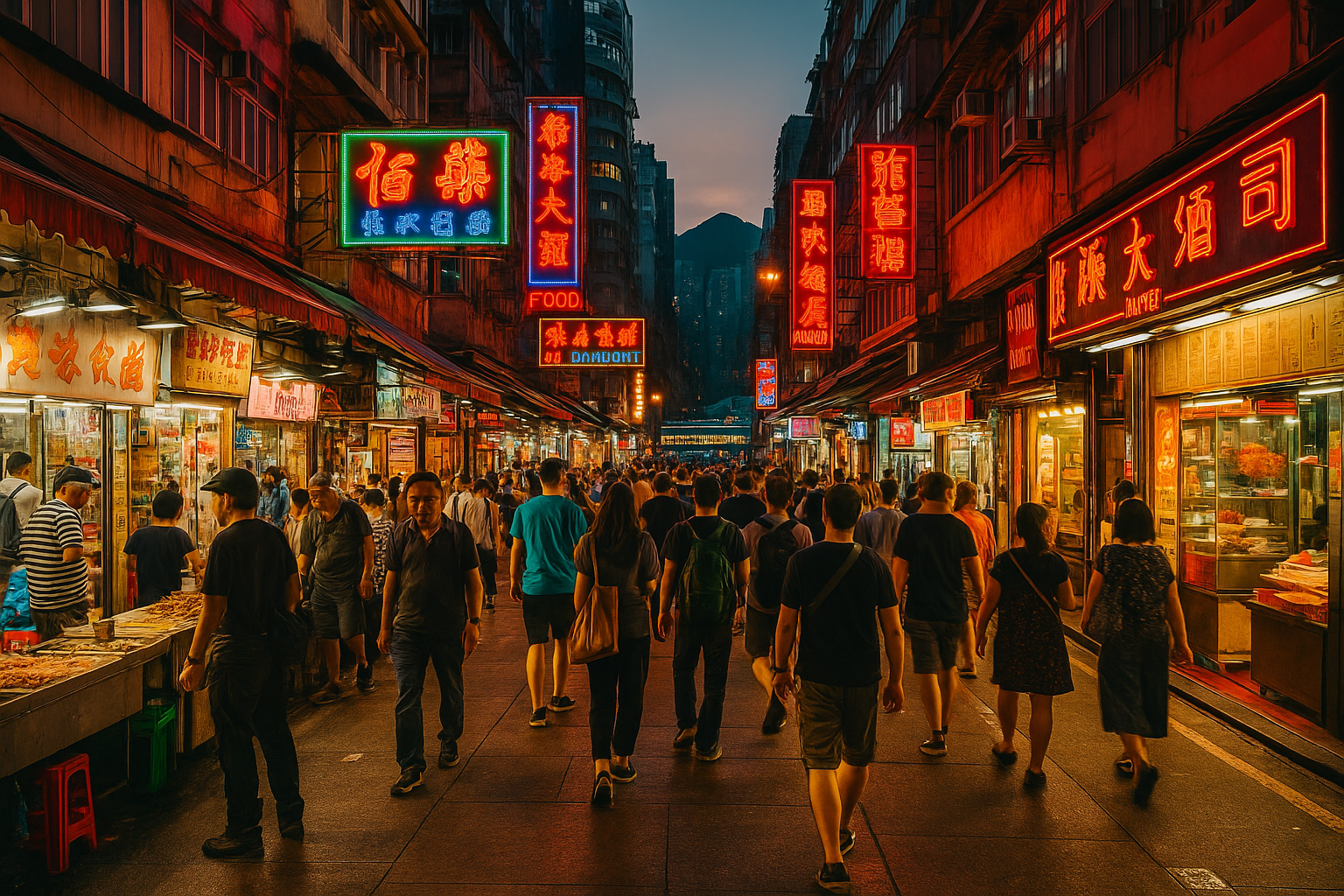
Hong Kong can look expensive before you’ve even checked into your hotel. But you don’t need to buy a ticket for every viewpoint or attraction to have a great four days. Some of the city’s best moments are simple: a ferry ride across Victoria Harbour, a walk through a neighborhood market, or the skyline lighting up after dark.
This Hong Kong itinerary for four days keeps the route practical and the spending intentional. You’ll see famous sights, explore local neighborhoods, and have one memorable island day—with a clear call on what’s worth booking and where you can save.
The short version: book a paid attraction if it’s genuinely a priority. Build the rest of your trip around walkable areas, public transport, harbor views, markets, and casual local meals.
Quick itinerary overview
| Day | Main area | Best for |
|---|---|---|
| 1 | Tsim Sha Tsui, Central, Victoria Harbour | First views, a ferry ride, and the skyline |
| 2 | Central, Sheung Wan, The Peak | Historic streets, temples, and viewpoints |
| 3 | Lantau Island and Ngong Ping | Big Buddha, village scenery, and the cable car |
| 4 | Mong Kok and Sham Shui Po—or Disneyland | Markets, street life, or a full theme park day |
This plan assumes you have four full sightseeing days and four nights in Hong Kong. If you arrive late or leave early, move the first or last day’s activities around instead of trying to cram everything in.
Before you go: three budget choices that matter
Choose your hotel by transit access, not just the nightly rate
A cheap room far from an MTR station can cost you time and extra fares. Compare the total price for all four nights, including taxes and fees, and check how long it takes to walk to a useful station. Tsim Sha Tsui, Jordan, Mong Kok, and parts of Hong Kong Island can all work, depending on your budget and plans.
Rooms can be small, especially at the lowest prices. Read recent guest reviews, check the room size, and look closely at the photos before booking. Compare dates on Booking.com or Hotels.com, then choose the option with the best balance of price, location, and recent reviews.
Use an Octopus card or another suitable payment method
A reloadable Octopus card is a convenient way to pay for local transport. You can also use contactless bank cards on many MTR journeys; check the current rules and fares before you travel.
The MTR Tourist Day Pass currently costs HK$75 for adults and HK$35 for children. It covers unlimited MTR, Light Rail, and MTR Bus travel for 24 hours, with some exclusions. It won’t automatically save money, so compare its price with the trips you plan to take that day. Check the MTR Tourist Day Pass details before buying. www.mtr.com.hk
Decide whether the airport train is worth it
The Airport Express is fast, but it costs more than the bus. An adult single journey from the airport to Hong Kong Station is HK$120 with Octopus, contactless bank card, or QR ticket. Citybus A21 to Kowloon is HK$34.60. Check the route, travel time, and latest fare for your hotel before choosing. www.mtr.com.hk
If you’re tired, carrying a lot of luggage, or sharing the fare with others, the train may be worth the extra cost. If you have time and your hotel is near an A21 stop, the bus can be a cheaper start to the trip.
Day 1: Tsim Sha Tsui, Central, and the harbor
Keep your first day fairly light. You may be adjusting to the time difference, figuring out your transit card, and getting used to the city.
Start with Tsim Sha Tsui
Head to the Tsim Sha Tsui Promenade and walk along the harborfront. You’ll get a great first look at the Hong Kong Island skyline without paying an admission fee. The Avenue of Stars and the area near the Clock Tower make easy stops along the way.
If you want a break, look for a casual noodle shop, bakery, or cha chaan teng—a local-style café. Prices vary, so check the menu before sitting down. A bakery snack or simple café meal can help keep your first day affordable.
day-1-star-ferry-victoria-harbour.png
Take the Star Ferry across Victoria Harbour
The Star Ferry is both practical transport and a classic Hong Kong experience. Ride from Tsim Sha Tsui to Central, then spend some time on the waterfront. You don’t need to pay for a harbor cruise to get a memorable view from the water.
If the weather is poor, save the ride for another day. Check the Star Ferry’s current service information before setting out, since schedules can change. www.starferry.com.hk
End the day with the skyline
If you’re in the area at night, watch A Symphony of Lights from the Tsim Sha Tsui waterfront. The Hong Kong Tourism Board describes it as a free show, but it can be cancelled during certain severe weather warnings. Check the official update on the day you plan to go. www.discoverhongkong.com
Book it: Nothing is essential for Day 1.Skip it: A paid harbor cruise, unless spending more time on the water is a special priority.
Day 2: Central, Sheung Wan, and The Peak
Today is a good day to explore Hong Kong Island on foot, with a paid viewpoint as an optional extra.
Walk through Central and SoHo
Start in Central and follow the Central–Mid-Levels Escalator uphill through busy streets, shops, and restaurants. It’s a practical way to explore the neighborhood, but remember that the escalator changes direction according to the time of day. If you’re walking downhill, you may need to use the stairs or another route.
Stop at Tai Kwun, the former Central Police Station compound, for its courtyards, heritage buildings, and public spaces. General entry is free, though some exhibitions or programs charge admission. Check current opening hours and exhibitions before you go. www.discoverhongkong.com
Continue toward Sheung Wan for a slower look at traditional shops, dried seafood stores, and side streets. You don’t need to buy anything to enjoy the change in pace and scenery.
day-2-central-mid-levels-escalator.png
Choose your Peak experience
In the afternoon, head toward The Peak for the views. You have a few options:
-
Peak Tram: The famous ride is part of the experience, especially if you haven’t taken a steep funicular before.
-
Bus or taxi: A useful alternative if the tram queue is long or you want to save time.
-
Walk: A more active option if you’re comfortable with hills and have checked the route and weather.
The paid Sky Terrace gives you a dedicated observation deck, but the extra ticket isn’t essential for everyone. If your budget is tight, enjoy the public viewpoints and walking paths instead. Check the official Peak Tram ticket page for current options before you decide.
Try to go when the weather is clear. A pricey ride up can feel disappointing if the skyline is hidden by clouds.
Book it: The Peak Tram or Sky Terrace if that specific experience matters to you.Skip it: Buying a combo ticket by default. Compare what’s included with what you actually want to see.
Day 3: Lantau Island, Ngong Ping, and the Big Buddha
Give Lantau Island most of the day. The journey takes time, and rushing through the village and temple area makes the trip less enjoyable.
Take the cable car or choose a ground route
The Ngong Ping 360 cable car is the scenic option between Tung Chung and Ngong Ping. The official site currently lists an adult standard-cabin round trip at HK$295 and a Crystal Cabin round trip at HK$365. That HK$70 difference buys a glass-bottom cabin, so the standard cabin is the budget pick for most travelers. Check the official site for the latest fares and service notices before booking. www.np360.com.hk
If you’d rather spend less, compare the bus route from Tung Chung. It takes longer, but gets you to Ngong Ping without paying for the cable car. Check current bus routes and fares on the day you plan to go.
Explore Ngong Ping Village and the Big Buddha
At Ngong Ping, take your time around the Tian Tan Big Buddha and Po Lin Monastery. The village is geared toward visitors, so you’ll see shops and snack stops, but you can still enjoy the surrounding scenery without turning the visit into a shopping trip.
Wear comfortable shoes and bring water. There’s walking involved, and the weather can feel hotter or more humid than expected.
day-3-tian-tan-big-buddha.png
Add Tai O only if you have time
Tai O is a fishing village on Lantau known for its stilt houses and slower pace. It can make a nice addition, but adding it after the cable car and Big Buddha creates a long day. Decide in advance whether you’d rather see Tai O or have more time around Ngong Ping. Don’t try to do everything just to check boxes.
Book it: The standard Ngong Ping cable car ticket if the ride itself is part of the experience you want.
Skip it: The Crystal Cabin upgrade if you’re watching your spending.Alternative: Take a bus to Ngong Ping and use the saved money for a meal or another part of the trip.
Day 4: Mong Kok and Sham Shui Po—or Disneyland
For your last full day, choose between a low-cost neighborhood day and a full day at Hong Kong Disneyland. Trying to combine both usually means rushing.
Option A: Explore Mong Kok and Sham Shui Po
Start in Mong Kok and walk through the neighborhood’s busy streets and markets. The Ladies’ Market and nearby shopping streets are free to browse, but set a spending limit before you arrive. Bargains aren’t bargains if you didn’t want the item in the first place.
Later, head to Sham Shui Po for a different feel. Its streets are known for electronics, accessories, fabrics, and everyday local shopping. The Hong Kong Tourism Board describes the area as a bargain-hunting neighborhood and notes Apliu Street’s second-hand and budget-friendly electronics shops. www.discoverhongkong.com
If you’d rather slow down, make fewer stops and spend time watching the neighborhood unfold. You don’t need to purchase anything to enjoy a market walk.
day-4-mong-kok-market.png
Book it: Nothing in advance for a simple market day.Skip it: A guided shopping tour unless you want someone to lead you through specific markets.
Option B: Make Disneyland your main event
If Disney is a must for you, give it the full day. It’s a major paid attraction, and trying to squeeze it into a half-day can make the ticket feel like poor value.
Buy through the official Hong Kong Disneyland site, check the ticket tier calendar, and confirm park reservations and opening hours for your date. Prices and availability vary. Be cautious about paying extra for Premier Access before you’ve checked what it covers and whether the wait times on your visit date justify the cost. www.hongkongdisneyland.com
optional-hong-kong-disneyland.png
Book it: A dated park ticket if you know you want to go.Skip it: The park on a very tight budget if you’re only considering it because it’s famous. It takes a full day and adds a significant ticket cost.
What to book before the trip—and what to leave flexible
A few reservations can make a big difference, but booking every activity in advance can lock you into plans that don’t suit the weather or your energy.
Book or check aheadKeep flexibleYour hotel, after comparing the full four-night costFree neighborhood walksA dated Disneyland ticket, if you’re goingMarket browsingNgong Ping 360, if you’ve decided on the cable carThe order of Central and Sheung Wan stopsAirport transfer after checking where you’re stayingThe Peak visit, until you’ve checked the forecast
For paid attractions, use official ticket pages first. Compare the final price—not just the headline offer—and check the date, refund rules, and what’s included.
A realistic budget plan for four days
There isn’t one useful “Hong Kong budget” that fits every traveler. Your hotel, airport transfer, number of paid attractions, and eating habits can change the total dramatically.
For a practical estimate, separate your costs into four parts:
-
Hotel: Multiply your chosen nightly rate by four, then add any taxes or fees shown at checkout.
-
Food: Decide what you’re comfortable spending each day. Mix casual cafés, bakeries, and local meals with any special restaurant you’ve chosen.
-
Transport: Estimate the MTR and bus rides for each day. Add your airport transfer separately.
-
Attractions: List only the paid activities you actually plan to do. For example, Ngong Ping 360’s standard adult round trip is currently HK$295. Disneyland and other dated attractions have prices that depend on the day and ticket type. www.np360.com.hk
This route can be kept inexpensive on Days 1, 2, and 4 with free public spaces and neighborhood walks. Day 3 becomes more expensive if you choose the cable car; Disneyland adds another major ticket cost if you choose that option.
Money-saving tips that make the trip better
-
Group nearby stops together. Central, Sheung Wan, and The Peak work well on one day; avoid crossing the city repeatedly.
-
Don’t buy a transit pass without checking the math. The Tourist Day Pass only makes sense if your planned rides add up to more than the pass price.
-
Use buses when the route works. They can be slower, but the airport A21 fare is much lower than the Airport Express for a solo traveler heading toward Kowloon.
-
Look beyond the headline hotel price. A slightly more expensive room near transit may cost less overall than a cheaper room that adds long transfers.
-
Set a market budget. Markets are fun to browse, but impulse buys can quietly eat into your meal and attraction money.
-
Keep one flexible block. Rain, heat, queues, and travel fatigue are real. A good itinerary should still work if one stop moves.
Is four days enough for Hong Kong?
Four days gives you time for a first visit with a good mix of skyline views, local neighborhoods, and one bigger day trip. You’ll need to make choices. A cable car day on Lantau and a Disneyland day can both fit into a four-day trip, but the pace will be full and the total cost will rise.
If you want a lower-cost visit, keep the market day and harborfront walks, choose one paid attraction, and use public transport. If Disney or Ngong Ping is a personal must, book that experience and save elsewhere.
The best plan isn’t the one with the most tickets. It’s the one that gives you enough time to enjoy the city between them.
Prices and operating details can change. Check official transport and attraction websites before booking. This itinerary excludes international flights and hotel costs.